Tempe, Arizona, personifies the dynamic energy of a significant university community, buzzing with ambition, society, and, let's be honest, an extreme desert environment. The city is a world-class location for students chasing their scholastic dreams at Arizona State University. However, when the Sonoran Desert shows up the heat, keeping focus can feel like an uphill struggle. The high temperatures, which consistently rise past 110 degrees Fahrenheit in the summer season and maintain points cozy well into the fall, don't just impact your outside strategies; they significantly impact your interior setting and, seriously, your capability to research. Developing an effective office that proactively counters the warm is not just a deluxe; it comes to be an essential component of scholastic success in this one-of-a-kind, gorgeous, but extremely hot setup. Your individual research study zone needs to be a trendy, comfy haven, an area where concentration is the policy and heat-induced sleepiness is the exception.
Crafting the Cool Thermal Environment
The air temperature of your research study area is the absolute first variable you have to regulate. Research study shows that as interior temperature levels climb, cognitive efficiency begins to decrease quickly. In a desert environment, relying only on older, much less effective air conditioning can be an expensive, occasionally insufficient, option. You require a targeted strategy. Begin by examining your home's specific vulnerabilities. Does the late afternoon sunlight blast via a west-facing window? This convected heat is your opponent, heating up surface areas and making your air conditioner work overtime. Simple, low-cost solutions make a substantial distinction below. As opposed to counting on slim drapes, purchase thick, blackout drapes or blinds that literally block the sunlight's rays, stopping the heat prior to it enters.
An individual cooling system can supply a microclimate for your workdesk, relieving the stress on your main device and your spending plan. A top quality, oscillating tower fan can circulate air efficiently, or take into consideration a small, mobile swamp cooler or evaporative colder. These devices make use of the desert's dry air to their benefit, cooling the air by including moisture, which substantially reduces the temperature and feels exceptionally rejuvenating. Setting your fan to either blow straight throughout your body for a wind-chill impact or objective it at a wall near the ceiling to keep the air in the space regularly moving. Maintaining a somewhat cooler, instead of a totally chilly, temperature helps maintain you alert and focused, avoiding the sluggish sensation that includes a too-warm room.
Enhancing Your Space and Furniture for Focus
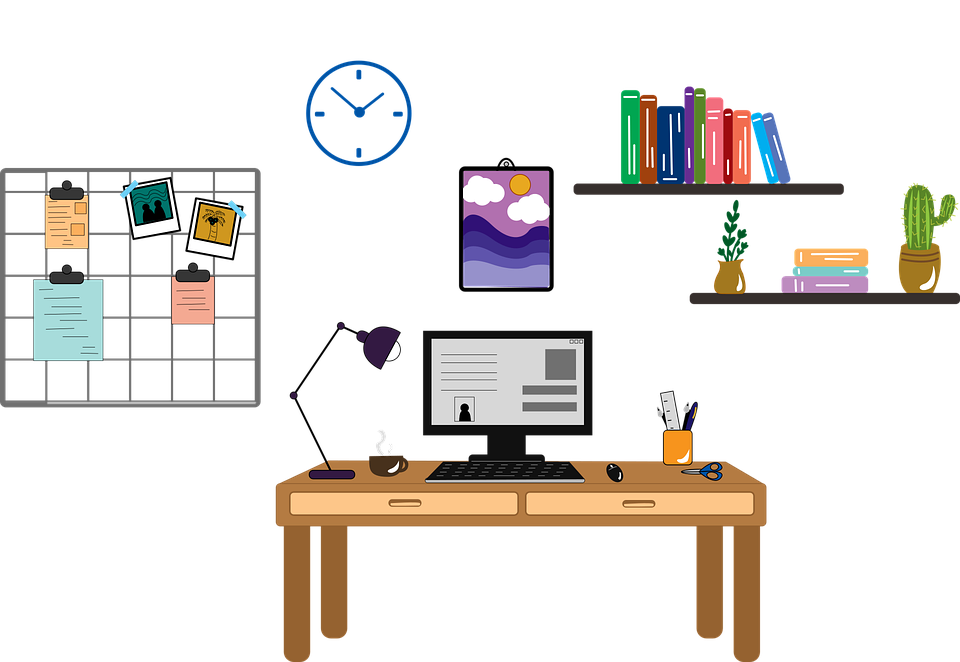
As soon as the temperature is in control, turn your interest to the physical setup of your office. Performance and low-heat outcome specify the ideal Tempe research study station. Students residing in studio apartments in Tempe know the value of making the most of every square inch of space, and choosing the appropriate furnishings and innovation is critical for both convenience and performance. Select a workdesk and chair that promote ergonomic well-being. Your chair needs to give lumbar assistance, motivating an upright position that sustains awareness, while your desk should be big enough to hold all your study products without feeling cluttered. Mess creates aesthetic anxiety, and a tidy location supports a clean mind. Utilize vertical storage space like shelving units to maintain books and products arranged and off your primary work surface area.
Technology choices additionally affect your thermal environment. Laptop computers and monitors produce heat, and in a studio apartment, this contribution is noticeable. Maintain your laptop on an aerated stand to prevent getting too hot, which can improve its efficiency and decrease the warmth it radiates onto your workdesk. Similarly, select LED illumination, which is energy-efficient and creates practically no warmth compared to traditional incandescent light bulbs. Purposefully placed job lights, like a flexible desk lamp, guides brilliant, concentrated light specifically where you need it, minimizing eye pressure and aiding to keep focus during late-night research study sessions. The visual atmosphere you develop adds directly to your mental climate, sustaining your ability to power with facility product.
Handling the Atmospheric and Visual Environment
Past the major temperature level, various other ecological aspects play a surprise function in your focus. The top quality of the air in your space, called the atmospheric atmosphere, can influence your psychological quality. In a closed-off, cool area, air can become stale, causing feelings of sleepiness or tiredness. A straightforward air purifier or opening a home window throughout the cooler hours of the morning can present fresh air into your room. For locals in ASU student housing, where rooms are often sealed to maintain the heat out, using a little, top quality air filter can assist minimize dirt and irritants, ensuring you breathe easy and remain clear-headed while you function.
The visual component is similarly crucial for keeping a positive, inspiring mood. While hefty power outage curtains keep out the warm, you still require to take full advantage of the emotional benefits of light when you study. Setting your workdesk so you are not facing the window straight, which prevents glare, but still enables you to capture indirect all-natural light. Throughout the day, utilize sheer roller shades below your power outage curtains. These shades filter severe light, changing the extreme Arizona sun right into a soft, diffused radiance that brightens your room without including warm. Integrating small, low-maintenance plants like succulents-- durable and native to the desert-- brings a touch of all-natural vigor right into your research study location, adding shade and enhancing your feeling of health without calling for constant interest.
Approaches for the Student Lifestyle in a Hot Climate
The effective monitoring of a research study room in Tempe connections straight into a regimented trainee way of living. The warmth pressures you to adapt your routine to the neighborhood climate. Trainees relying on off campus housing in ASU Tempe usually have much more versatility yet must also take more effort in developing a conducive environment. Scheduling your most demanding study tasks for the coolest parts of the day-- morning or late night-- is a reliable way to take advantage of the atmosphere. Make use of the optimal afternoon heat hours for lighter tasks like examining flashcards, organizing notes, or taking required breaks.
Your personal convenience significantly influences your ability to stay at your desk. Wear light, breathable garments-- cotton is a trainee's buddy right here-- and always keep a bottle of cold water nearby. Dehydration is a quiet opponent of focus, and official website it takes place rapidly in the dry heat. Think of your body as part of your study system: keeping it cool and hydrated is as vital as keeping your laptop computer billed. When the intense heat ends up being overwhelming, keep in mind that numerous contemporary student real estate facilities and homes supply fantastic area research study lounges or pool-side cabanas which are purpose-built to be comfortable and awesome. Transforming your setting for a short time can offer a fresh perspective and a cool reset switch for your focus.
The dedication you make to creating a cool, efficient, and motivating research study space will straight translate right into higher performance and less stress throughout your scholastic journey in Tempe. This very carefully prepared personal hideaway becomes your haven, an area where you can confidently concentrate on your researches, regardless of the scorching temperature levels outside.
We hope these understandings aid you transform your area into an efficiency giant. Check back consistently for more neighborhood tips and recommendations designed for students browsing life in this vivid city.